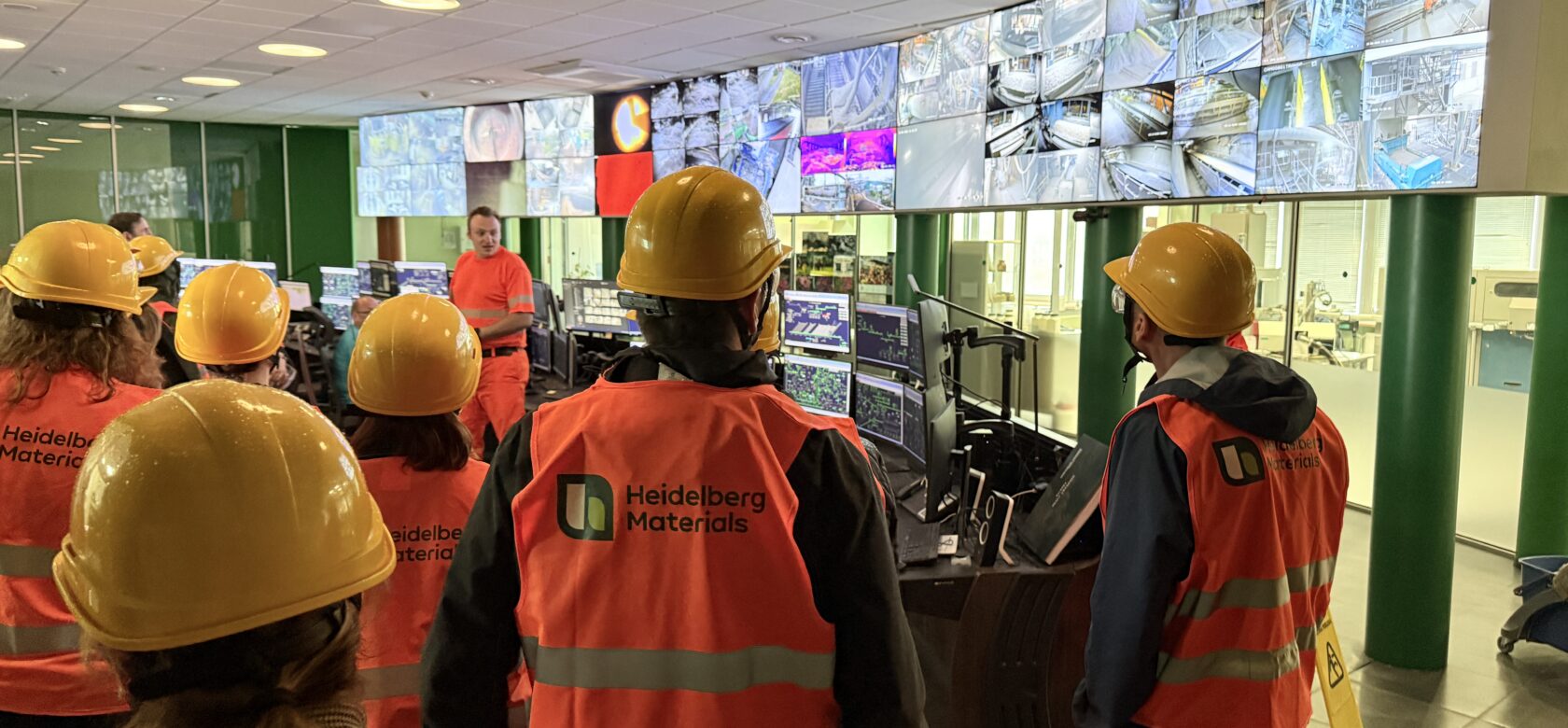
From 9–11 June 2026, representatives from the Jakobstad Region participated in the third international study visit of the iCEAR project in Opole, Poland. The delegation consisted of ICEAR-Project manager Pia Holkkola-Löf, Regional Climate Coordinator Elisabeth Andersson, Spatial Planner Jessica Sjöblom from the Municipality of Pedersöre, and Environmental Inspector Anna Snellman from the Municipality of Larsmo.
The study visit brought together project partners from across Europe to exchange experiences, develop policy work, and explore practical examples of how the circular economy can be implemented in practice.
How Can Regions Drive the Transition?
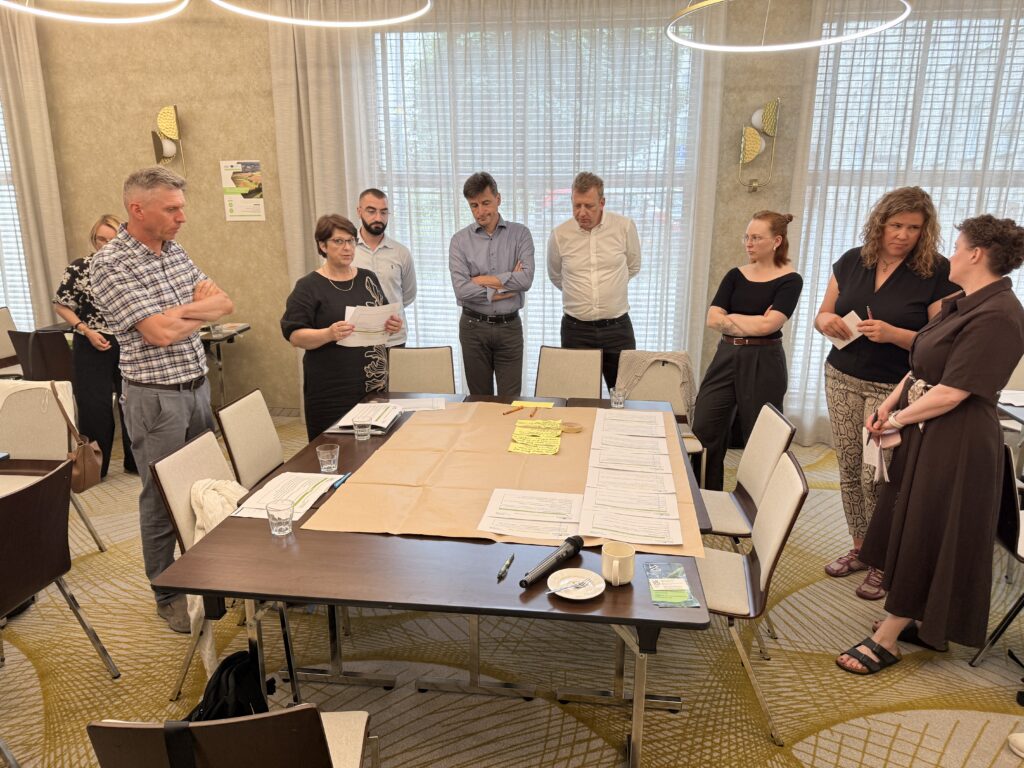
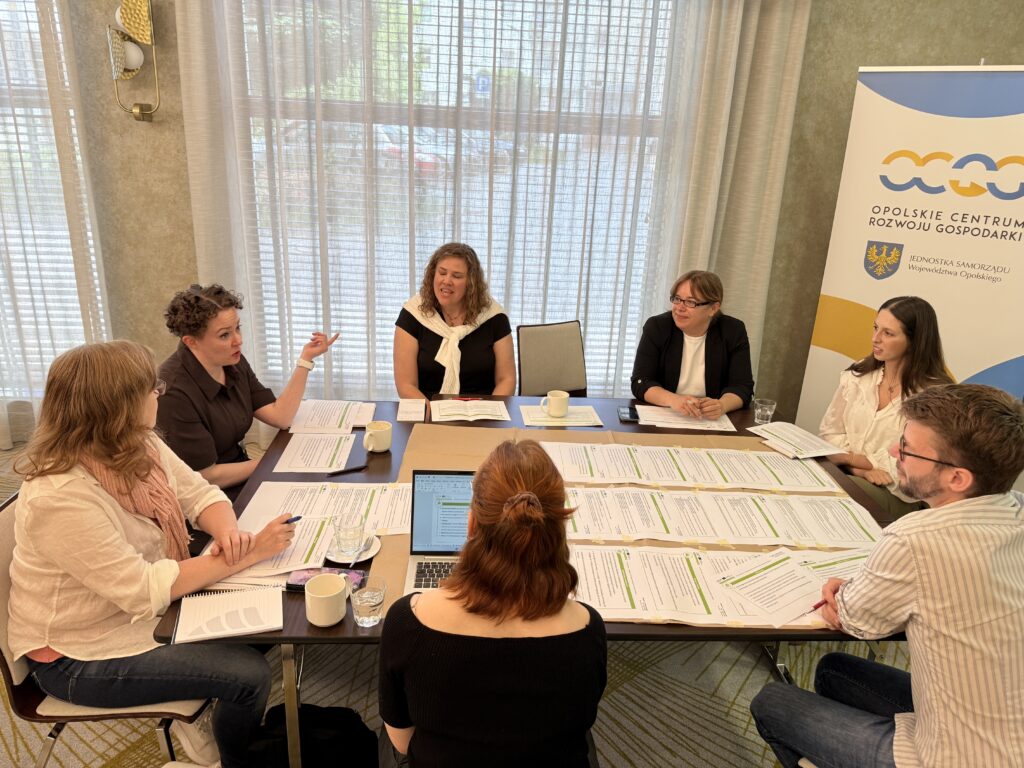
The first day focused on strategic work and policy development. Participants discussed how regions can strengthen their policy instruments, identify development pathways, and create better conditions for a circular economy.
In the working group where the Jakobstad Region collaborated with project partners from Portugal and Germany, strengths, challenges, and opportunities in the regions’ current work were analysed. For the Jakobstad Region, the discussions provided valuable insights for the ongoing development of the regional climate strategy Climate Smart Together. During the workshop, several common development areas were identified:
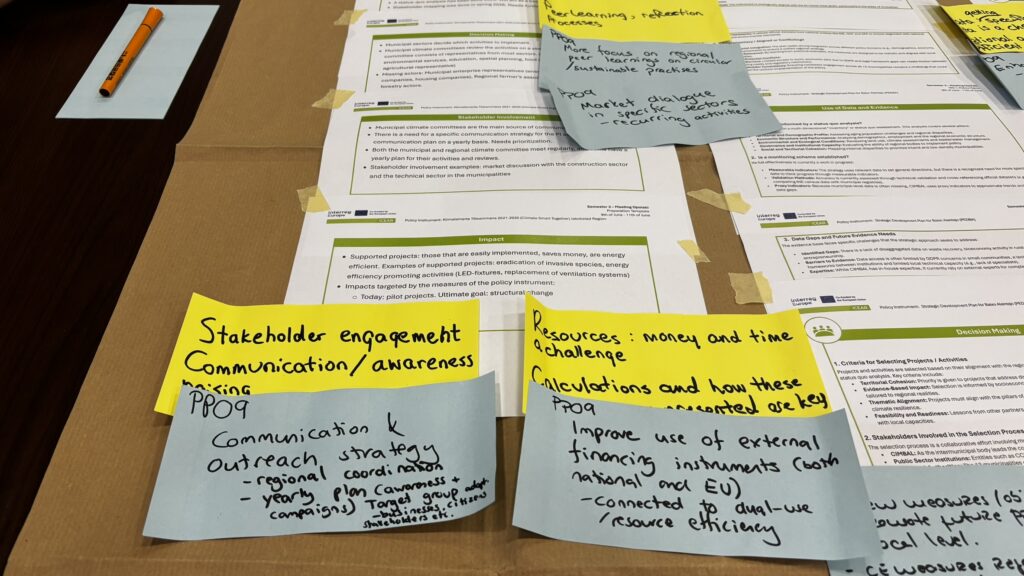
Lack of regional data – needs to be addressed through improved data collection and mapping of material flows.
Limited resources and funding – require more effective use of national and European funding instruments.
Need for greater exchange of experiences and peer learning – regional learning and market dialogues can strengthen the dissemination of good solutions.
Unclear long-term objectives – circular economy targets need to be developed in line with new legislation and policy developments.
Strong stakeholder engagement – communication and collaboration were highlighted as important strengths to build upon.
A recurring message throughout the visit was the importance of regional cooperation, peer learning, and access to relevant local and regional data. Several iCEAR partners also emphasized the need for practical tools and increased knowledge of the circular economy among both businesses and public-sector organisations.
Industry Leading the Way in Opole
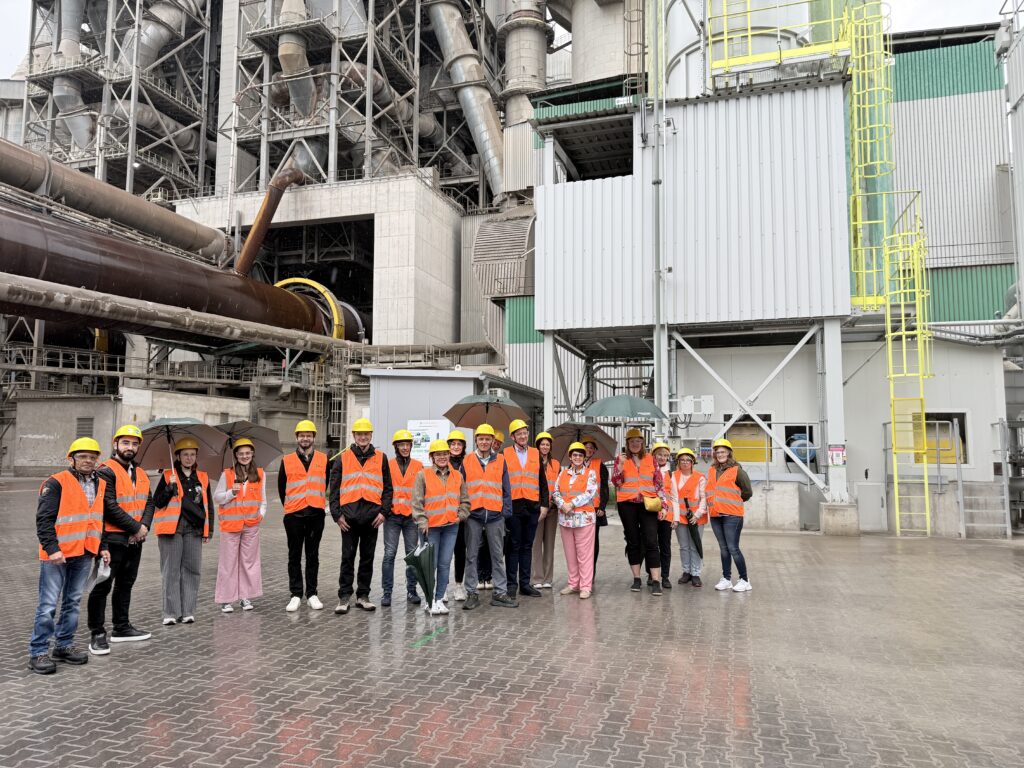
On the second day, participants visited organisations demonstrating how circular solutions are being put into practice.
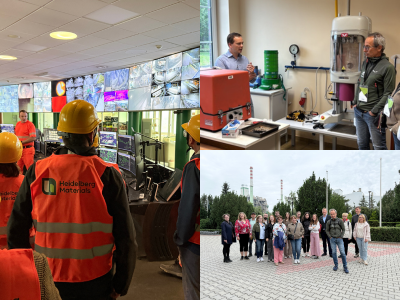
At Heidelberg Materials in Górażdże, one of Europe’s largest cement producers, the delegation toured the facility and learned about the company’s efforts to reduce carbon emissions. Heidelberg is developing methods for recycling concrete materials and reintroducing them into the production of new cement products.
The iCEAR delegation also visited Metsä Tissue in Krapkowice, which produces tissue paper from Finnish pulp. At Metsä Tissue, production side streams are utilised by other industries, including the construction sector, or converted into alternative fuels.
At the Łukasiewicz Research Network – Institute for Renewable Resources Chemistry, participants learned about research and innovation activities related to chemical recycling, biodegradable materials, carbon utilisation, and circular solutions for the chemical and construction industries.
New Perspectives on Climate Action
The final day focused on how good practices can be adapted and transferred between regions. Participants discussed the factors that make a method successful and how solutions can be tailored to different local and regional contexts. This can sometimes prove surprisingly challenging.
The experiences gained through iCEAR activities, including the study visit to Opole, together with our participation in the European Investment Bank’s Circular City Advisory programme, provide valuable support for developing concrete circular economy objectives within the regional climate strategy.
For Jessica Sjöblom, Spatial Planner from the Municipality of Pedersöre and representative of the municipal climate working group, the visit also offered new perspectives on the connection between the circular economy and climate action:
“Climate work can sometimes feel overwhelming, and it is not always easy to see which measures truly make a difference. Seeing large industries actively working to reuse materials, reduce emissions, and develop more circular processes made the opportunities much more tangible. It demonstrated that the circular economy can be a useful way of achieving climate goals.”
The international exchange of experiences was also highlighted as an important aspect of the visit:
“It was valuable to discuss planning and sustainability issues with colleagues from other countries and gain insight into how they address similar challenges. These conversations provide new perspectives that we can bring back to our own regional development work.”
The next phase of the iCEAR project will focus on translating the lessons learned from the study visit into concrete actions and policy improvements that support a more circular and climate-smart development in the Jakobstad Region. This autumn, we will organise a workshop that will bring together a broader group of representatives from the climate strategy’s stakeholder organisations and sectors. You are welcome to join us!