During the last week of November, representatives from the Jakobstad Region participated in the second international project meeting within iCEAR (Integrated Circular Economy Action Plan for Rural Areas). The first meeting was held in Giessen, Germany, in June, and this time the Ballyhoura region in southern Ireland hosted the event.
The iCEAR project aims to strengthen circular economy and sustainability efforts in rural areas. A shared goal among the nine participating regions is to identify development areas for circularity and methods for implementing their regional climate strategies in the daily activities of municipalities, companies, and households. Since all participating regions have strong links to rural environments, agriculture is a natural focus area.
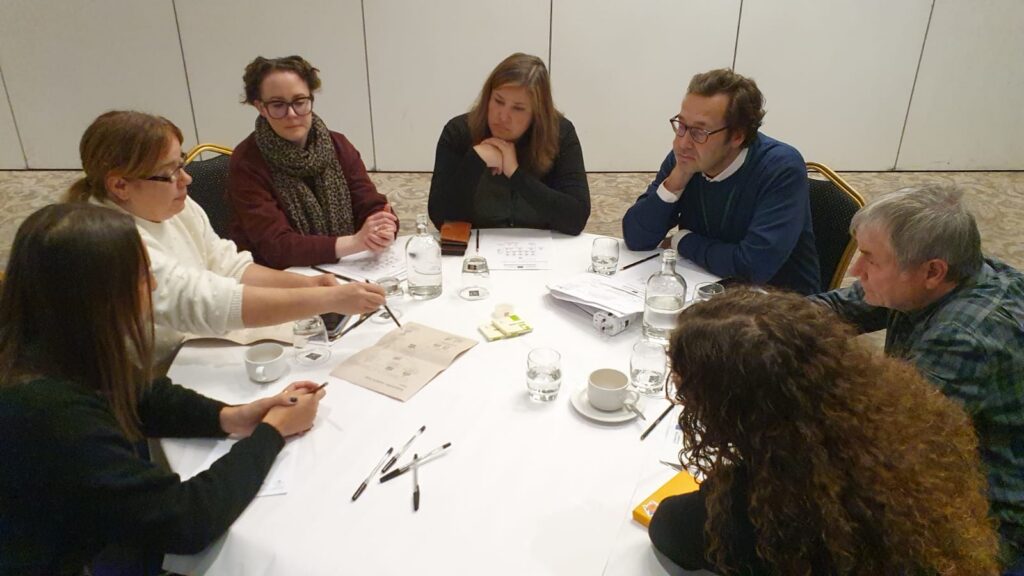
The programme in Ballyhoura was diverse, with workshops in the mornings and study visits in the afternoons. This time, the workshops focused on how to create effective stakeholder engagement and strengthen dialogue between the networks and organisations involved in regional sustainability work and the policy instrument.
“The workshops helped us identify both the strengths and weaknesses of our own policy instrument. We realised that a broader stakeholder network and a clearer strategy for engagement could make our climate and circularity goals more actionable. The examples from Val-de-Loire and Ballyhoura were particularly valuable,” says project manager Pia Holkkola-Löf.
Regenerative tourism, farm diversification and community linkages
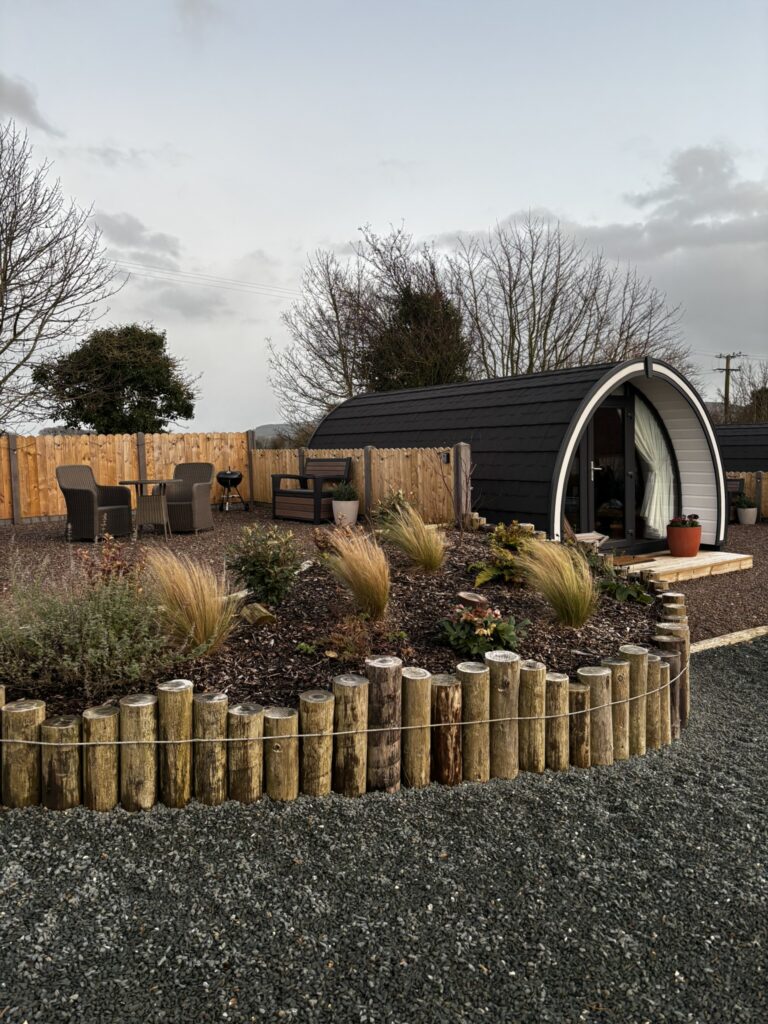
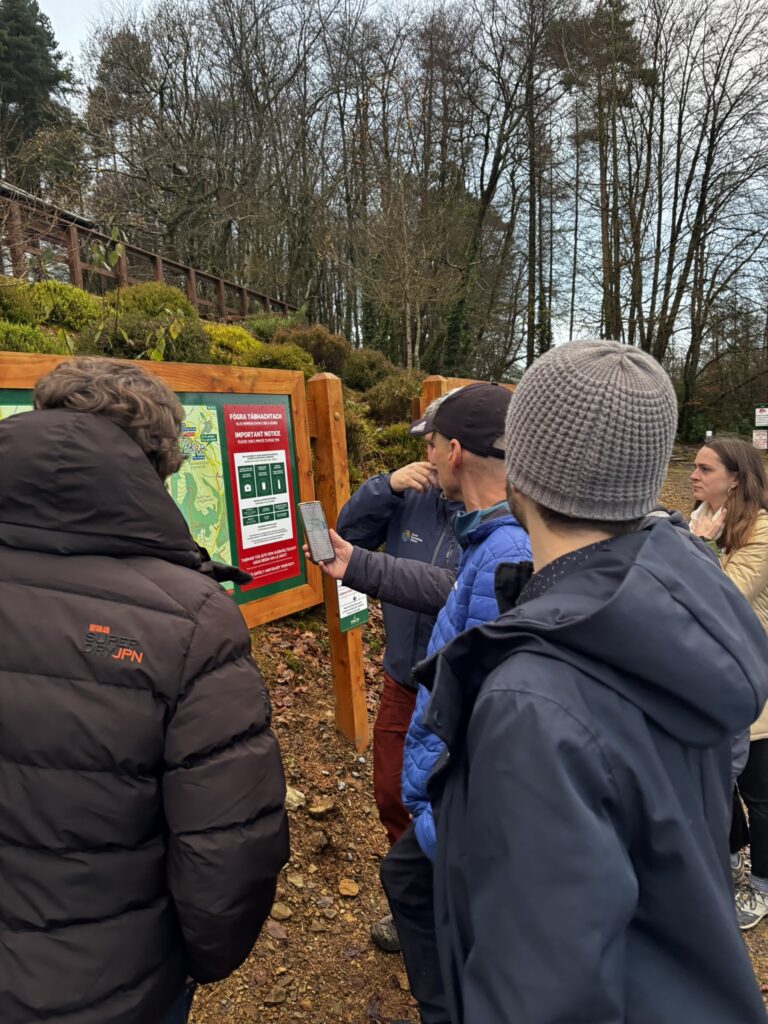
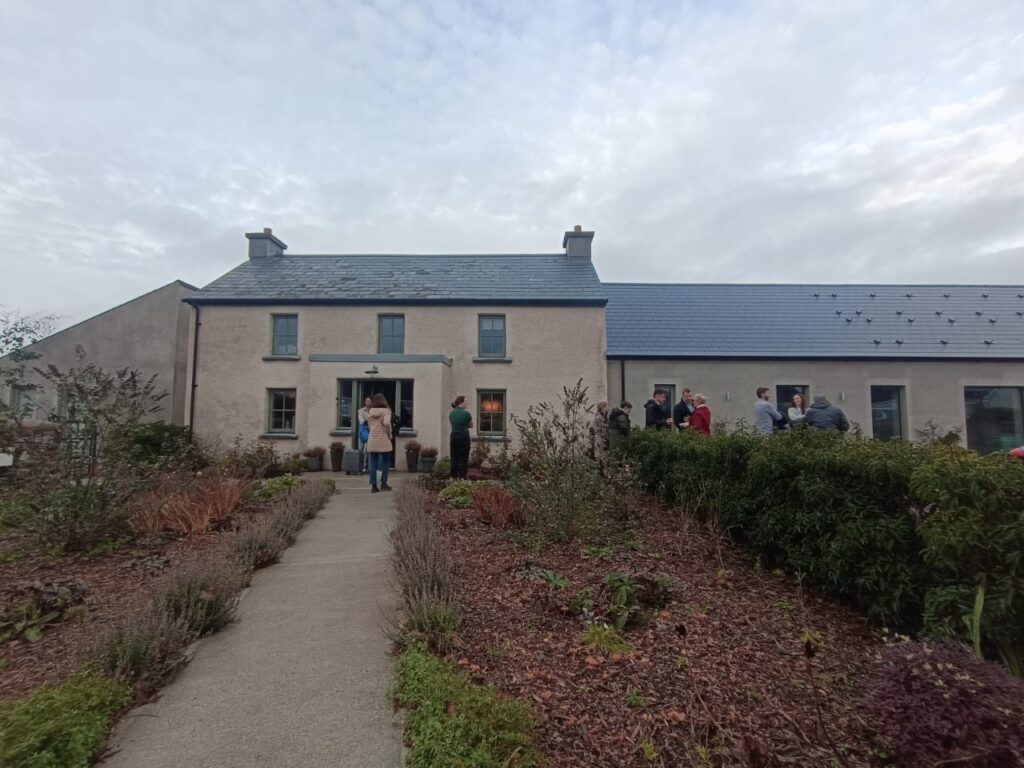
During the study visits, the Irish hosts showcased examples of sustainable business models, sustainable tourism, and locally driven solutions – ranging from a jointly maintained hiking and cycling trail and scenic glamping to a leisure centre with strong community engagement. Active networks, local cooperation and community engagement characterised all places we got to visit during our stay and reflected a level of commitment that in many ways also defines the Jakobstad Region.
The next project meeting will be held in June 2026 in Opolski, southern Poland, where work on objectives and actions for the various policy instruments will continue. Until then, development efforts will progress locally, regionally, and in international working groups. The project lasts four years, and in June 2028 the Jakobstad Region will host one of the project’s concluding meetings.
The meeting in Ballyhoura gathered participants from eight countries: Finland, Ireland, France, Germany, Poland, Portugal, Slovenia, and Greece. The Jakobstad Region was represented by iCEAR-project manager Pia Holkkola-Löf, regional climate coordinator Elisabeth Andersson, and Town of Nykarleby’s communications coordinator Johan Svenlin.