The project in a nutshell
Current Situation, Drivers and Barriers
The project will map the current state of fossil-free biomass transport in the Interreg Aurora region. Literature and project reviews, interviews and workshops will be used to identify the key drivers of and barriers to the transition. The results will provide a foundation for the project’s other work packages and connect with ongoing initiatives related to electrified forest transport, route and fleet planning, investment strategies and sustainable charging infrastructure. Skogforsk is responsible for this work package.

Guidelines for Fossil-Free Biomass Transport
The project supports the transition to fossil-free, particularly electric, heavy biomass transport in the Interreg Aurora region. It will develop practical guidelines, tools and business models for transport operators, drivers and transport buyers. The work will address areas including driving and route planning, charging, working hours, infrastructure investments and pricing models that can reduce transition-related risks. Webinars, networking events and roadshows will bring together stakeholders from the transport, energy, electricity grid and biomass markets. The materials will be published in Swedish, Finnish and English. BioFuel Region is responsible for this work package.

A Data-Driven Transition to Fossil-Free Transport
The project will develop methods and a stronger knowledge base for measuring and reducing carbon dioxide emissions from regional heavy transport. The focus is on cooperation among SMEs that purchase and provide transport services, as well as regional energy and fuel-sector stakeholders. Åbo Akademi University will lead the development of a data-driven emissions monitoring method, while Novia will compare it with existing tools and practices. Companies in Ostrobothnia, particularly in the Jakobstad region, will serve as pilot cases, and Concordia will contribute by engaging companies and organising meetings and workshops.
Infrastructure for Fossil-Free Bioeconomy Transport (Electricity, Biogas and Hydrogen) in the Interreg Aurora Region
The project will accelerate the transition to fossil-free heavy road transport, with particular emphasis on the needs of the forest industry. Forestry companies, transport operators, electricity grid companies and charging infrastructure providers will jointly develop an efficient and financially sustainable system solution. The work will produce strategies for selecting charging technologies, locating charging stations and developing suitable business models. BioFuel Region is responsible for this work package.
Promoting the Adoption of Fossil-Free Transport
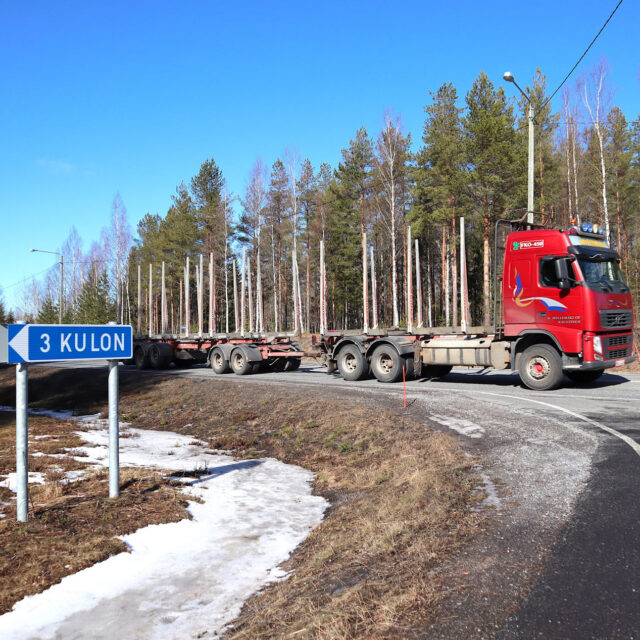
The project will disseminate its results to stakeholders in the bioeconomy transport chain, other sectors and decision-makers. The project’s experiences, new ideas and future needs will be compiled to support progress towards more carbon-neutral and energy-efficient transport beyond the project period. Roadshows, other stakeholder activities and communication will highlight the opportunities offered by fossil-free heavy road transport. Novia is responsible for this work package.
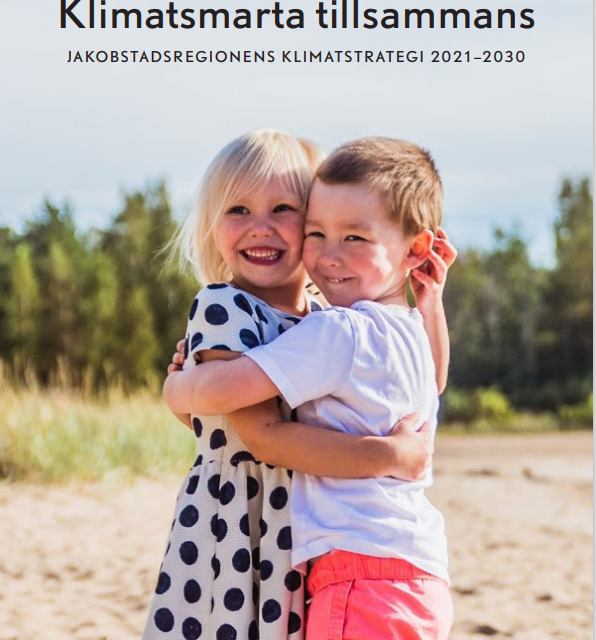
The Project’s Contribution to the Jakobstad Region’s Climate Targets
The Fossile Free Mobility project supports the Jakobstad region’s climate strategy by translating carbon-neutrality targets into practical measures for heavy transport. Mapping, policy guidelines, the use of emissions data, the development of new business models and infrastructure development will improve the ability of regional companies and public-sector organisations to choose fossil-free solutions. At the same time, cooperation, pilot activities and knowledge dissemination can accelerate investment and contribute to permanently lower transport emissions in the region.
Want to know more? Be in touch!